
Starting a business is exciting, but it can also feel risky and confusing—especially when it comes to the legal side. Many entrepreneurs focus on their big idea or product and forget that legal services can make or break their company’s future. Without the right legal help, small mistakes can turn into big problems. This guide will help you understand what legal issues matter for entrepreneurs, how to avoid common traps, and how to choose the right support for your business.
Why Legal Services Matter For Entrepreneurs
The legal foundation of your business is as important as your product or service. If you overlook legal details, you may face lawsuits, fines, or even the loss of your company. Many startups fail because of preventable legal mistakes. For example, in the U.
S. , about 36–53% of small businesses face lawsuits every year, and one in three small businesses are sued or threatened with a lawsuit, according to the Small Business Administration.
Legal services are not only about defense. They help you:
- Protect your ideas and products
- Reduce risk from contracts or partnerships
- Comply with laws and regulations
- Build trust with customers and investors
Choosing The Right Business Structure
The first legal decision for any entrepreneur is choosing a business structure. This choice affects your taxes, personal risk, and funding options.
| Type | Liability | Taxation | Best For |
|---|---|---|---|
| Sole Proprietorship | Unlimited | Personal tax return | Solo founders, low risk |
| LLC (Limited Liability Company) | Limited | Pass-through or corporate tax | Most small businesses |
| Corporation (C or S Corp) | Limited | Corporate and/or personal tax | Startups, investors |
| Partnership | Shared, can be unlimited | Personal tax return | Two or more founders |
Insight: Many entrepreneurs pick an LLC for flexibility and protection. However, if you plan to raise money from investors, a C Corporation is often required.
Registering Your Business And Name
Once you choose a structure, you must register your business. This process is different in every country and sometimes by state or region. In the U.S., you register your business with the Secretary of State. You may also need to register your business name (also called “Doing Business As” or DBA).
Tip: Make sure your business name doesn’t infringe on someone else’s trademark. Use official databases to search for similar names.
Intellectual Property: Protecting Your Ideas
Your brand, inventions, and creative work are valuable. Entrepreneurs often forget to protect their intellectual property (IP). There are four main types:
- Trademarks – Protect your business name, logo, and slogans.
- Copyrights – Cover written, artistic, or software content.
- Patents – Protect inventions and new technology.
- Trade secrets – Guard confidential business processes or recipes.
| IP Type | What It Protects | How Long |
|---|---|---|
| Trademark | Names, logos, slogans | As long as used & renewed |
| Copyright | Art, writing, software | Author’s life + 70 years (US) |
| Patent | Inventions, new tech | 20 years (utility patent) |
| Trade secret | Confidential info | As long as secret |
Non-obvious insight: Filing a provisional patent lets you say “patent pending” and gives you 12 months to file a full patent. This can help you test the market before investing more money.
Credit: gritdaily.com
Contracts And Agreements
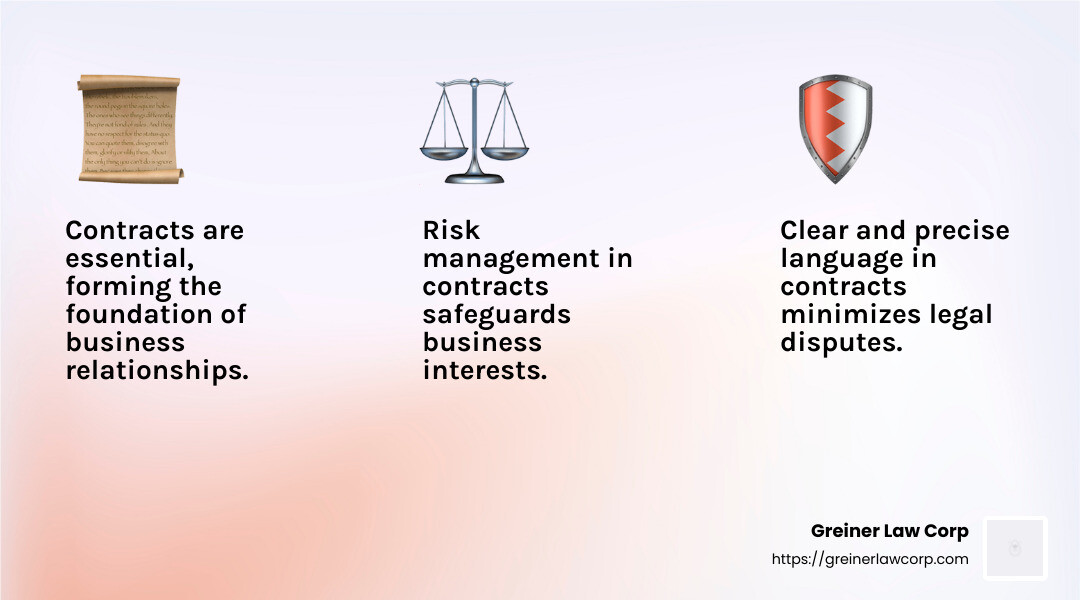
Every business needs clear contracts. Contracts protect you in disputes and clarify each side’s rights and duties.
- Founders’ agreements – Set rules between co-founders (ownership, roles, what happens if someone leaves).
- Employment contracts – Define employee roles, pay, and expectations.
- Supplier and customer contracts – Cover what you deliver, payment terms, and what happens if something goes wrong.
- Non-disclosure agreements (NDAs) – Keep business secrets safe.
Common mistake: Using free templates without understanding the terms. Always adapt contracts to your situation and local law.
Licenses, Permits, And Compliance
Many businesses need licenses or permits to operate legally. What you need depends on your industry and location.
- Food businesses may need health permits.
- Online stores may require sales tax permits.
- Consultants may need professional licenses.
Compliance means following all laws (like data privacy, employment, or advertising rules). For example, selling to customers in Europe means following the GDPR data privacy law.
Non-obvious insight: Some cities require a home business permit, even if you only work online. Check with your city and state offices.
Credit: greinerlawcorp.com
Employment Law Basics
If you hire workers, you must follow employment law. This covers:
- Minimum wage and overtime
- Health and safety
- Anti-discrimination
- Worker classification (employee vs. contractor)
Misclassifying a worker can lead to fines. In the U. S. , the IRS has strict rules for this.
Tip: Give clear written offers and keep records of all employment agreements.
Fundraising And Securities Law
Raising money from investors is complex. Securities laws protect investors and have strict rules.
Key points:
- If you sell stock or other ownership, you may need to register with government agencies.
- Crowdfunding and online fundraising platforms have their own rules.
- Failing to follow securities law can result in big penalties.
Example: The SEC fined several startups for using unregistered offerings. Always get legal advice before raising money publicly.

Credit: arellanolegal.com
Data Privacy And Online Business Rules
If you collect customer information, you must follow data privacy laws. These laws are becoming stricter every year.
- GDPR protects European users’ data.
- CCPA applies to California residents.
- Most countries now have some form of data protection rules.
You must often tell users how you use their data and give them ways to opt out or delete their information.
Practical advice: Add a clear privacy policy to your website and keep up with changing laws.
When To Hire A Lawyer (and How To Choose)
You don’t need a lawyer for everything. But sometimes, professional help is vital.
When you should hire a lawyer:
- Setting up a new structure with partners or investors
- Filing for patents or trademarks
- Facing a lawsuit or government investigation
- Negotiating complex contracts
How to choose a lawyer:
- Look for experience with startups or your industry.
- Ask about billing (hourly vs. flat fee).
- Check reviews or ask other entrepreneurs for recommendations.
| Service | DIY | Lawyer Needed |
|---|---|---|
| Simple LLC formation | Often | Sometimes |
| Trademark search | Possible | Recommended |
| Complex fundraising | No | Yes |
| Basic contracts | Maybe | Advised for large deals |
Hidden trap: Some lawyers offer “cheap” startup packages but lack expertise in fast-growth businesses. Always check their background.
Managing Legal Costs As An Entrepreneur
Legal services can be expensive, but there are ways to manage costs:
- Use templates for simple contracts, but review them carefully.
- Ask for a flat fee for standard services.
- Prioritize—spend on what matters most (like IP or funding) and DIY simpler tasks.
- Legal clinics or incubators sometimes offer free or discounted help for startups.
Pro tip: Keep good records and organize your business files. This saves time and legal costs if problems arise.
Staying Updated With The Law
Laws change often. New rules can appear suddenly and affect your business. For example, recent changes in privacy laws or gig worker rules have caught many entrepreneurs off guard.
- Subscribe to updates from your local business office.
- Join industry groups or online forums.
- Set a reminder to review your legal documents every year.
Resource: The U.S. Small Business Administration has useful guides and updates for entrepreneurs. You can visit their website for more help: U.S. Small Business Administration.
Frequently Asked Questions
What Is The Best Legal Structure For A New Startup?
The LLC is popular for its flexibility and protection, but some startups choose a C Corporation to attract investors. The best choice depends on your growth plans, number of founders, and how you want to be taxed.
Do I Need To Trademark My Business Name?
It’s not always required, but trademarking protects your brand and stops others from using a similar name. If your brand is central to your business, registering a trademark is a smart step.
Can I Write My Own Contracts?
You can use contract templates for simple deals, but be careful. Custom contracts or important agreements should be reviewed by a lawyer to avoid risky terms or gaps in protection.
When Should I Hire A Lawyer As An Entrepreneur?
Hire a lawyer for complex decisions like taking on investors, filing patents, or serious disputes. For simple tasks, you may not need one, but legal advice is always helpful when you’re unsure.
What Happens If I Ignore Legal Requirements?
Ignoring laws or skipping legal steps can lead to fines, lawsuits, or business closure. It’s better to spend some time and money now than to face big problems later.
Starting a business takes courage and vision. Handling the legal side may seem hard, but with the right knowledge and help, you can build a strong foundation for growth. Take the time to understand your responsibilities, protect your ideas, and get advice when needed.
Your future self will thank you.
Read More:
- Estate Planning And Legal Services: Essential Steps To Secure Your Future
- Why Legal Services Matter in Personal Injury Cases: Key Benefits
- Legal Services for Property And Land Disputes: Expert Guidance
- The Most Common Myths About Legal Services Debunked
- The Future of Legal Services in the Digital Age: What to Expect
- Immigration Legal Services: Everything You Should Know Today
- How to Save Time And Money With Reliable Legal Services Today
- How Corporate Legal Services Support Business Growth: Proven Strategies