
Estate planning is not just for the wealthy or the elderly. It is a crucial step for anyone who wants to protect their family, assets, and wishes. Without a clear plan, state laws will decide what happens to your property and dependents, often in ways you might not expect.
Many people put off estate planning because it feels complicated or overwhelming. But with the right approach and legal guidance, the process becomes much easier—and the peace of mind it brings is priceless.
This guide breaks down everything you need to know about estate planning and the legal services that support it. Whether you are just starting out or updating an old plan, you will find practical steps, key documents, and expert insights to help you make confident decisions for your future.
What Is Estate Planning?
Estate planning is the process of arranging how your assets will be managed and distributed after your death or if you become unable to make decisions. It covers much more than simply writing a will. A solid estate plan makes sure your wishes are honored, minimizes taxes, and avoids unnecessary delays or conflicts.
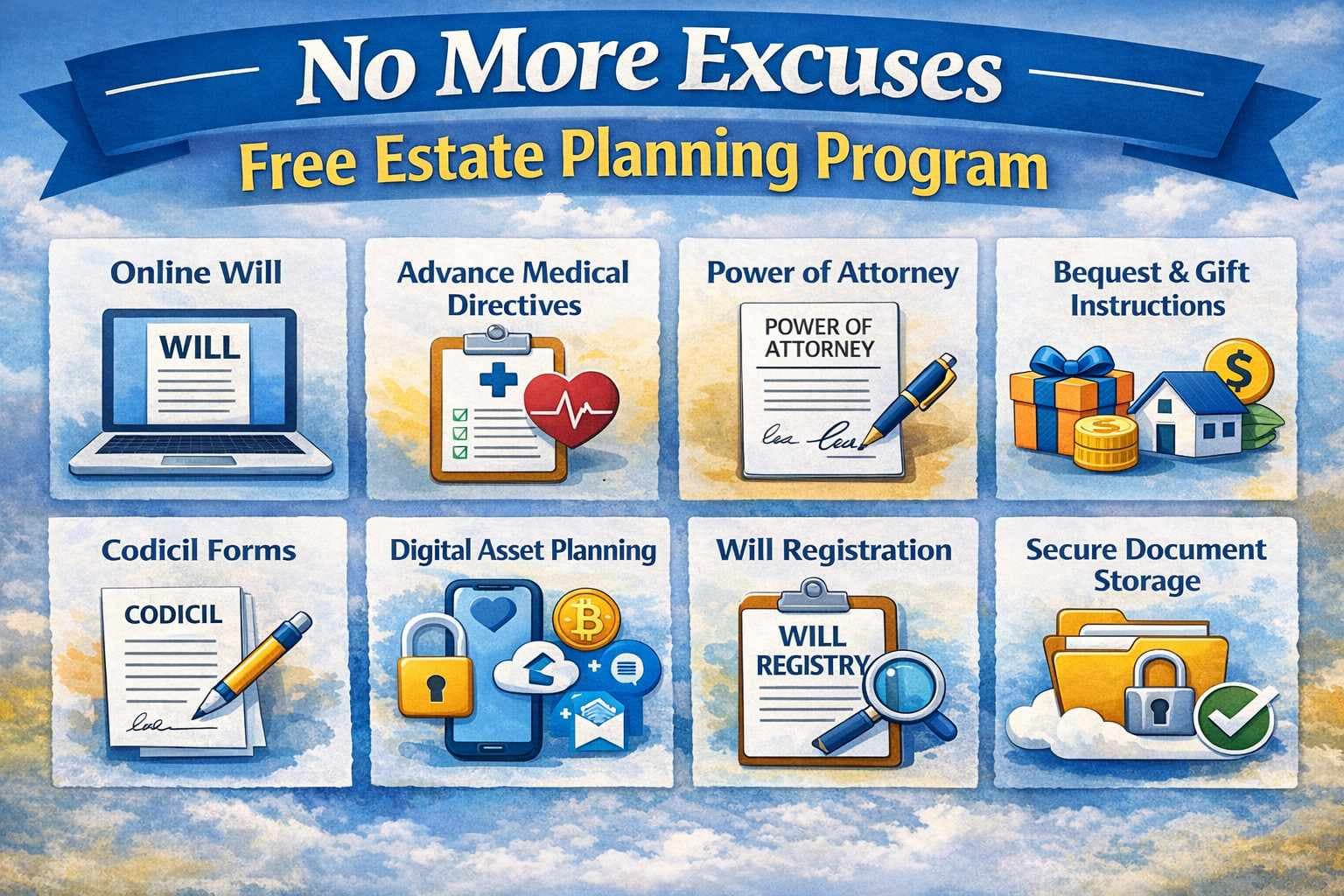
Some key elements of estate planning include:
- Creating a will to specify who inherits your property
- Naming guardians for minor children
- Setting up trusts for asset protection or specific purposes
- Appointing powers of attorney for financial and healthcare decisions
- Planning for incapacity or disability
- Reducing estate taxes and probate costs
A well-made plan helps your loved ones avoid confusion, court battles, and financial hardship.
Why Estate Planning Matters
Many people believe estate planning is only for the rich, but that is not true. Here are some reasons why everyone should consider it:
- Protect your family: You decide who receives your property and who takes care of minor children.
- Avoid probate: Proper planning can reduce or skip the costly and slow court process called probate.
- Minimize taxes: Smart strategies can lower the taxes your heirs must pay.
- Plan for incapacity: If you cannot make decisions due to illness, someone you trust can act for you.
- Prevent family disputes: Clear instructions reduce the risk of arguments among loved ones.
A surprising fact: According to a 2023 Gallup poll, only 46% of American adults have a will. This leaves many families unprepared for emergencies.
Key Estate Planning Documents
Several legal documents form the backbone of any estate plan. Each serves a specific purpose and must be kept up to date.
Will
A will is the most common estate planning document. It allows you to:
- Name who gets your assets after your death
- Appoint a guardian for minor children
- Choose an executor to manage your estate
Without a will, state laws decide how your property is distributed—a process called intestate succession.
Trust
A trust is a legal arrangement where one person (the trustee) manages assets for someone else (the beneficiary). Trusts can:
- Avoid probate
- Protect assets from creditors
- Set rules for how and when money is given out
Common types include revocable living trusts and irrevocable trusts.
Power Of Attorney
A power of attorney (POA) gives someone legal authority to act on your behalf if you are unable. There are two main types:
- Financial POA: Handles money, property, and legal decisions
- Healthcare POA: Makes medical decisions if you cannot
Advance Healthcare Directive
Also known as a living will, this document explains your wishes for medical treatment if you become very ill or cannot communicate.
Beneficiary Designations
Certain accounts—like life insurance, retirement plans, and bank accounts—let you name a beneficiary. This usually overrides what is written in your will.
How To Start Your Estate Plan
Many people feel lost when beginning estate planning. Here is a step-by-step approach:
- List your assets: Gather information on your home, bank accounts, investments, insurance, and personal property.
- Decide who gets what: Think about who should inherit each item or account.
- Choose trusted people: Select guardians, executors, and agents for your powers of attorney.
- Work with a lawyer: Estate laws can be complex and vary by state. An experienced attorney helps you create documents that meet legal requirements and your specific needs.
- Review and update: Life changes—like marriage, divorce, or a new child—mean you should review your plan every few years.
Credit: theuswillregistry.org
Choosing An Estate Planning Lawyer
Selecting the right legal help is critical. Estate planning is not just paperwork—it requires understanding your family, goals, and local laws.
What To Look For
- Experience: Choose someone who focuses on estate planning, not just general law.
- Clear communication: A good lawyer explains complex ideas simply.
- Upfront fees: Ask about costs before starting.
- Personal connection: You should feel comfortable sharing personal details.
Comparing Legal Services
Here is a quick comparison of how different types of legal services approach estate planning:
| Service Type | Best For | Typical Cost | Key Features |
|---|---|---|---|
| Local Attorney | Complex estates, custom plans | $1,000–$5,000+ | Personal advice, state law expertise |
| Online Legal Service | Simple wills, small estates | $100–$500 | Templates, quick turnaround |
| DIY Forms | Very simple needs | Often free | No legal review, higher risk |
Most people benefit from at least one meeting with a lawyer, especially if you have children, own a home, or have more than $100,000 in assets.
Common Estate Planning Mistakes
Even smart people make errors when setting up their estate plans. Here are some mistakes to avoid:
- Forgetting to update documents: Major life events—like divorce, marriage, or a new child—require updates.
- Not naming backup agents: Always pick secondary executors or guardians in case your first choice cannot serve.
- Overlooking digital assets: Include email, social media, and online accounts in your plan.
- Ignoring beneficiary designations: These can override your will, so review them regularly.
- DIY without understanding laws: State rules change often, and a simple mistake can create big problems.
A useful tip: Review your estate plan every three to five years, or after any major life change.
Trusts Vs. Wills: What’s The Difference?
Many people wonder whether they need a trust, a will, or both. Here is a side-by-side look:
| Feature | Will | Trust |
|---|---|---|
| Probate required? | Yes | No (if funded correctly) |
| Privacy | Public record | Private |
| When it takes effect | After death | Immediately and after death |
| Can manage assets during incapacity? | No | Yes |
| Cost | Lower upfront | Higher upfront, lower later |
If you own property in more than one state, have a blended family, or want to control how and when heirs receive money, a trust may be a smart choice.
Estate Taxes And How To Reduce Them
Estate taxes can take a large share of what you leave behind. However, most Americans do not pay federal estate tax because the exemption is high—$12.92 million per person in 2023. But some states have lower limits.
Ways to reduce estate taxes include:
- Gifting money during your lifetime (up to annual limits)
- Setting up certain types of trusts
- Donating to charity
- Naming the right beneficiaries for retirement accounts
Consulting a financial advisor or estate lawyer can help you use these strategies correctly.
The Probate Process
Probate is the legal process of proving a will and distributing assets. It can take months or even years, and often costs 2–7% of the estate’s value. Here’s a basic overview:
- File the will with the court
- Notify heirs and creditors
- Pay debts and taxes
- Transfer remaining assets to heirs
Some assets—like those in a trust, jointly owned property, or with named beneficiaries—can skip probate.
Digital Assets And Estate Planning
In today’s world, your digital life matters. Many people forget to include digital assets like:
- Email accounts
- Social media profiles
- Online photo libraries
- Cryptocurrency wallets
Make a list of your digital assets and how to access them. Some states have special laws for handling these accounts after death.

Credit: www.humberbaylaw.com
Estate Planning For Blended Families
Blended families—where one or both partners have children from previous relationships—face unique challenges. Without careful planning, children from a first marriage might be unintentionally left out.
Here are important steps:
- Discuss your wishes with your spouse and children openly
- Use trusts to set rules for how and when assets are given
- Review beneficiary designations on all accounts
This is one situation where professional legal advice is especially valuable.
Special Needs Planning
If you have a loved one with special needs, a standard will or trust may not be enough. A special needs trust lets you leave assets without affecting government benefits like Medicaid or SSI.
Work with an attorney who understands disability law to create the right plan.
Keeping Your Estate Plan Up To Date
Life changes, and so should your estate plan. Review your documents when you:
- Get married or divorced
- Have a child or grandchild
- Move to another state
- Buy or sell major assets
- Lose a loved one
Keep copies of your plan in a safe place, and tell trusted people where to find them.
Working With Other Professionals
Estate planning is not only about legal documents. Financial advisors, tax experts, and insurance agents can all play a role. They can help with:
- Investments and retirement planning
- Life insurance choices
- Tax-saving strategies
A team approach gives you a stronger, more flexible plan. For more on the role of financial planners, see this resource from the National Association of Personal Financial Advisors.
Credit: www.rosenblumlawlv.com
Frequently Asked Questions
What Happens If I Die Without A Will?
If you die without a will, state laws decide who inherits your assets. This process is called intestate succession. It may not match your wishes, and can create delays, higher costs, and family conflicts.
Do I Need A Lawyer For Estate Planning?
While you can make a simple will using online tools, a lawyer is highly recommended for complex estates, blended families, or if you own property in multiple states. A lawyer ensures your documents meet all legal requirements.
How Often Should I Review My Estate Plan?
Check your estate plan every three to five years, or after major life changes like marriage, divorce, a new child, or moving to a new state.
What Is The Difference Between A Will And A Trust?
A will takes effect after you die and goes through probate. A trust can take effect immediately, avoids probate, and can manage assets during incapacity.
Can Estate Planning Help With Healthcare Decisions?
Yes. By setting up a healthcare power of attorney and an advance directive, you can state your wishes for medical care if you are unable to communicate.
Estate planning is about more than assets—it’s about protecting your loved ones, your wishes, and your legacy. Taking action today means less stress for your family tomorrow. Start with small steps, get the right help, and revisit your plan as life changes.
Your future self—and your family—will thank you.
Read More:
- Why Legal Services Matter in Personal Injury Cases: Key Benefits
- Legal Services for Property And Land Disputes: Expert Guidance
- The Most Common Myths About Legal Services Debunked
- Legal Services for Entrepreneurs: Essential Tips for Success
- The Future of Legal Services in the Digital Age: What to Expect
- Immigration Legal Services: Everything You Should Know Today
- How to Save Time And Money With Reliable Legal Services Today
- How Corporate Legal Services Support Business Growth: Proven Strategies